Blog

  • Lilly Miller Moss Out 27oz: The Ultimate Roof Cleaner

    Lilly Miller Moss Out 27oz: The Ultimate Roof Cleaner

    Have you ever looked up at your roof or walked across your patio only to be greeted by unsightly green patches of moss and slippery algae? It is a common frustration for homeowners in humid climates, but ignoring it can lead to costly structural damage over time. Fortunately, there is a powerful solution designed specifically for this purpose: Lilly Miller Moss Out For Roofs And Walks Concentrate 27Oz. This concentrated formula is not just a cleaner; it is a preventative treatment that restores the aesthetic appeal of your home while protecting its integrity.

    In this comprehensive guide, we will explore everything you need to know about this product. From understanding how it works to step-by-step application instructions, we aim to provide you with the knowledge to tackle moss growth confidently and safely.

    What Is Lilly Miller Moss Out and How Does It Work?

    Before diving into the application process, it is crucial to understand the science behind the product. Many homeowners mistakenly believe that moss is merely a surface-level cosmetic issue. However, moss roots can penetrate shingles, wood, and concrete, causing moisture retention that accelerates decay.

    Lilly Miller Moss Out For Roofs And Walks Concentrate 27Oz utilizes a potent blend of active ingredients designed to kill moss, algae, lichen, and mildew on contact. The primary mechanism involves disrupting the cellular structure of the plant life, causing it to dry out and die within days. Unlike pressure washing, which can damage roofing materials by forcing water under shingles, this chemical approach is gentle on surfaces but tough on organic growth.

    The “Concentrate” aspect of the 27-ounce bottle is particularly significant. It allows for customization based on the severity of the infestation. For light maintenance, a diluted mix suffices, while heavy moss coverage may require a stronger concentration. This versatility makes it a cost-effective choice compared to pre-mixed solutions that offer less flexibility.

    According to general horticultural principles, maintaining a pH balance that discourages organic growth is key to long-term prevention. You can read more about the biological nature of moss and its impact on structures on Wikipedia.

    Why Choose the 27oz Concentrate Over Other Cleaners?

    With countless cleaning products available on the market, why should you specifically choose this brand and size? The answer lies in efficiency, coverage, and ease of use.

    Key Benefits at a Glance

    • High Coverage Area: One 27oz bottle can cover a significant square footage when mixed correctly, making it ideal for average-sized residential roofs and walkways.
    • No Scrubbing Required: One of the biggest selling points is that it requires no physical scrubbing. You spray it on, let it work, and rinse it off later. This saves hours of labor and reduces the risk of personal injury from climbing ladders.
    • Preventative Action: It does not just kill existing moss; it leaves a residue that inhibits new growth for several months, depending on weather conditions.
    • Safe for Most Surfaces: When used as directed, it is safe for asphalt shingles, wood shakes, tile, brick, stone, and concrete.

    Comparison: Chemical Treatment vs. Pressure Washing

    FeatureLilly Miller Moss OutPressure Washing
    Risk of DamageLow (Chemical action)High (Water force can lift shingles)
    Labor IntensityLow (Spray and wait)High (Physical effort required)
    LongevityMonths of preventionImmediate clean, no prevention
    Water UsageMinimalExcessive
    Cost EfficiencyHigh (Concentrate lasts longer)Variable (Equipment rental/purchase)

    As seen in the table above, the chemical approach offered by Lilly Miller Moss Out For Roofs And Walks Concentrate 27Oz provides a safer and more sustainable solution for long-term home maintenance.
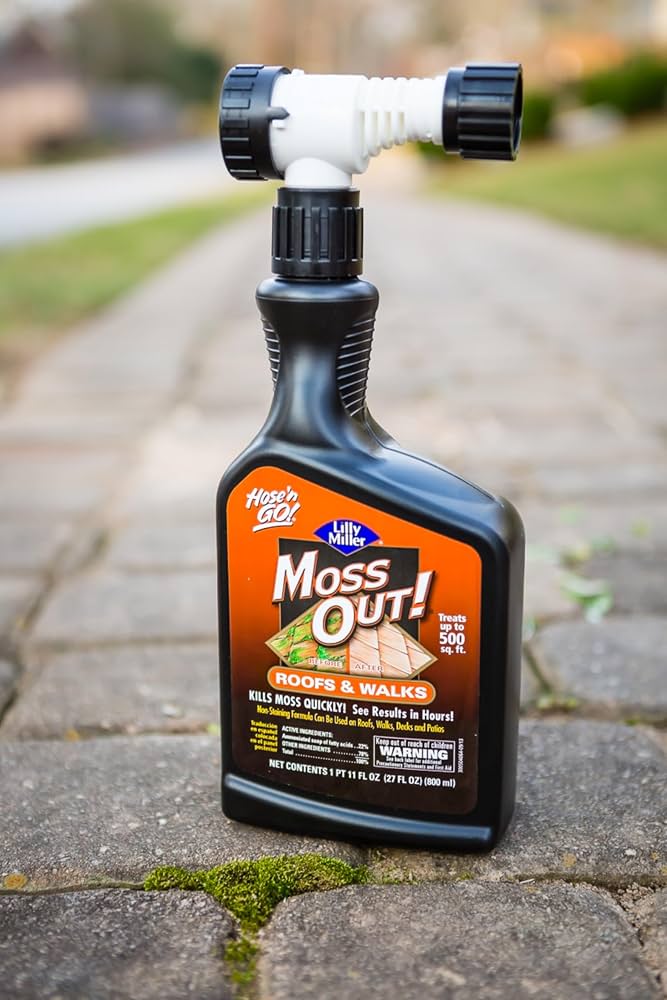
    Lilly Miller Moss Out For Roofs And Walks Concentrate 27Oz

    Step-by-Step Guide: How to Apply Correctly

    Proper application is critical to achieving the best results. Incorrect mixing or application can lead to ineffective cleaning or potential damage to surrounding plants. Follow these detailed steps to ensure success.

    Step 1: Preparation and Safety

    Safety should always be your top priority. Wear protective gear, including:

    • Rubber gloves
    • Safety goggles
    • Long-sleeved clothing
    • Non-slip shoes if working on walks

    Ensure the weather forecast predicts dry conditions for at least 24 hours after application. Rain will wash away the concentrate before it has time to work.

    Step 2: Mixing the Solution

    For the Lilly Miller Moss Out For Roofs And Walks Concentrate 27Oz, the standard mixing ratio is typically 1 part concentrate to 4 parts water for moderate growth. However, always check the specific label instructions as formulations can update.

    1. Fill a garden sprayer with 1 gallon of water.
    2. Add the recommended amount of concentrate (usually around 6-8 ounces per gallon for heavy moss).
    3. Shake or stir gently to mix. Do not use metal containers as the chemicals may react.

    Step 3: Application Technique

    Start from the bottom of the roof or walkway and work your way up. This prevents streaking and ensures even coverage.

    • For Roofs: Spray evenly until the surface is wet but not dripping excessively. Pay special attention to shaded areas where moss thrives.
    • For Walks: Apply directly to the stained areas. For porous concrete, you may need to saturate the surface slightly more.

    Step 4: Waiting Period

    Allow the solution to sit for 24 to 48 hours. You will notice the moss turning brown or yellow, indicating it is dying. Do not rinse immediately. The drying process is part of the killing mechanism.

    Step 5: Rinsing and Cleanup

    After the waiting period, rinse the area with a garden hose. Use low pressure to avoid damaging shingles. The dead moss should wash away easily. If some residues remain, a soft-bristle brush can be used gently, but often the rain or hose rinse is sufficient.

    Common Mistakes to Avoid

    Even with a high-quality product like Lilly Miller Moss Out For Roofs And Walks Concentrate 27Oz, user error can hinder results. Here are the most common pitfalls:

    1. Applying in Direct Sunlight: Extreme heat can cause the solution to evaporate too quickly, reducing its effectiveness. Apply in the early morning or late afternoon.
    2. Ignoring Surrounding Plants: While the product is designed for hardscapes, it can harm delicate garden plants. Wet down nearby grass and shrubs with plain water before application to create a barrier, and rinse them thoroughly afterward.
    3. Using Too Little Product: Skimping on the concentrate to save money often leads to incomplete kills, requiring re-application sooner. Stick to the recommended ratios.
    4. Neglecting Gutters: Moss often starts in gutters. Ensure you apply the solution there as well to prevent blockages and water backup.

    Frequently Asked Questions (FAQ)

    1. How long does it take for the moss to die?

    You will typically see color changes within 24 to 48 hours. Complete drying and detachment of the moss may take up to two weeks, depending on the thickness of the growth and weather conditions.

    2. Is Lilly Miller Moss Out safe for pets?

    Once the product has dried completely, it is generally safe for pets. However, keep dogs and cats away from the treated area during the application and the initial 24-hour drying period. Always rinse the area thoroughly before allowing pets back onto walks or roofs.

    3. Can I use this on my wooden deck?

    Yes, Lilly Miller Moss Out For Roofs And Walks Concentrate 27Oz is safe for wood decks. However, test a small, inconspicuous area first to ensure it does not discolor any specific stain or finish you may have applied.

    4. How often should I apply this product?

    For preventative maintenance, applying once a year is usually sufficient. In areas with high humidity or heavy shade, you may need to apply it every six months. Regular inspection of your roof and walks will help determine the optimal frequency.

    5. What if it rains shortly after application?

    If it rains within 24 hours of application, the effectiveness may be reduced. You may need to reapply the product once the surface has dried completely. Check the weather forecast carefully before starting your project.

    6. Does this product remove black streaks caused by algae?

    Yes, the formula is effective against Gloeocapsa magma, the blue-green algae responsible for black streaks on roofs. It may take slightly longer to fade completely compared to green moss, but the results are typically visible within a few weeks.

    Conclusion

    Maintaining a clean and moss-free home exterior is not just about curb appeal; it is about protecting your investment. Lilly Miller Moss Out For Roofs And Walks Concentrate 27Oz offers a reliable, efficient, and user-friendly solution to combat organic growth. By following the proper application steps and safety guidelines, you can restore the beauty of your roof and walkways without the hassle of intense physical labor or expensive professional services.

    Remember, consistency is key. Regular inspections and timely applications will keep your home looking pristine for years to come. If you found this guide helpful, please share it with your friends and neighbors on social media. Helping others maintain their homes creates a safer and more beautiful community for everyone.

    Disclaimer: Always read and follow the manufacturer’s label instructions carefully. This article is for informational purposes and does not replace professional advice for severe structural issues.
  • Keep Your Roof In Top Shape With Our Maintenance Services

    Keep Your Roof In Top Shape With Our Maintenance Services

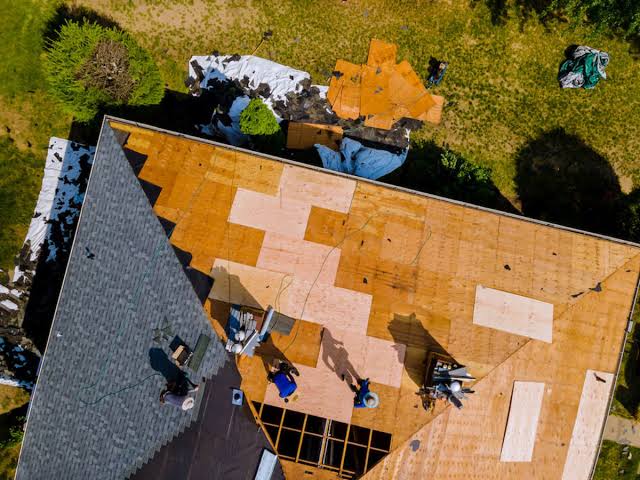
    Your roof is the unsung hero of your home, silently battling rain, wind, sun, and snow every single day. Yet, most homeowners only think about it when a leak appears on their ceiling or a shingle ends up in their yard. Ignoring minor wear and tear can lead to catastrophic structural damage and expensive emergency repairs down the line. That is why it is crucial to Keep Your Roof In Top Shape With Our Maintenance Services, ensuring your home remains safe, dry, and energy-efficient for years to come.

    In this comprehensive guide, we will explore why regular maintenance is not just an option but a necessity. We will break down exactly what professional maintenance entails, answer your most pressing questions, and provide actionable steps you can take to protect your biggest investment. Whether you have asphalt shingles, metal roofing, or tile, understanding the lifecycle of your roof is the first step toward longevity.


    Why Is Regular Roof Maintenance Critical for Homeowners?

    Many homeowners operate under the misconception that a new roof is “set and forget.” However, data suggests otherwise. According to industry standards, a well-maintained roof can last 20โ€“30% longer than a neglected one. But why exactly does maintenance matter so much?

    Preventing Small Issues from Becoming Big Problems

    A tiny crack in a shingle or a small gap in flashing might seem insignificant. However, water is persistent. Over time, that small entry point allows moisture to seep into the underlayment, rotting the wood decking and compromising the structural integrity of your attic. By addressing these issues early, you save thousands of dollars in potential restoration costs.

    Enhancing Energy Efficiency

    Did you know that a damaged or poorly insulated roof can significantly increase your utility bills? When your roofโ€™s ventilation system is blocked by debris or its insulation is compromised by moisture, your HVAC system has to work harder to regulate indoor temperatures. Regular maintenance ensures your attic breathes correctly, keeping your home cooler in summer and warmer in winter.

    Protecting Warranty Validity

    Most roofing manufacturers require proof of regular maintenance to keep warranties valid. If you file a claim for a defect but cannot show that you performed routine inspections and cleaning, the manufacturer may deny your request. Professional documentation from our services provides the paper trail you need to stay protected.


    What Does Professional Roof Maintenance Include?

    When you hire professionals to Keep Your Roof In Top Shape With Our Maintenance Services, you are not just paying for someone to look at your house. You are investing in a thorough, multi-point inspection and care protocol. Here is what a comprehensive service typically covers:

    1. Comprehensive Visual Inspection

    We examine every inch of your roof surface. This includes checking for:

    • Missing, cracked, or curling shingles.
    • Granule loss (which indicates aging).
    • Damaged flashing around chimneys, vents, and skylights.
    • Signs of moss, algae, or mold growth.

    2. Gutter and Downspout Cleaning

    Clogged gutters are the number one cause of water backup under roof edges. We remove leaves, twigs, and sediment to ensure water flows freely away from your foundation.

    3. Debris Removal

    Branches, pine needles, and other debris trap moisture against the roof surface. We safely remove this material to prevent decay and pest infestations.

    4. Ventilation Check

    Proper airflow is vital. We inspect ridge vents, soffit vents, and turbine vents to ensure they are not blocked by nests or dirt.

    FeatureDIY InspectionProfessional Maintenance
    SafetyHigh risk of falls/injuryInsured, trained professionals
    ThoroughnessSurface level onlyIncludes attic, underside, and flashings
    ToolsBinoculars/LadderDrones, moisture meters, safety gear
    DocumentationNoneDetailed report with photos
    Keep Your Roof In Top Shape With Our Maintenance Services

    How Often Should You Schedule Roof Inspections?

    The frequency of maintenance depends on several factors, including your location, the age of your roof, and local weather conditions. However, general best practices recommend the following schedule:

    Twice a Year: Spring and Fall

    Spring inspections check for damage caused by winter snow and ice dams. Fall inspections prepare your roof for the harsh winter months ahead. This bi-annual rhythm is the gold standard for preventative care.

    After Severe Weather Events

    If your area experiences hailstorms, hurricanes, or heavy winds, schedule an immediate inspection. Hail can bruise shingles without breaking them, leading to premature failure that isn’t visible from the ground.

    Before Buying or Selling a Home

    A professional roof certification can be a powerful negotiating tool. It assures buyers that the roof is in good condition, potentially speeding up the sale process.


    Can I Maintain My Roof Myself, or Do I Need a Pro?

    While some minor tasks can be handled by homeowners, major maintenance requires professional expertise. Letโ€™s break down the pros and cons.

    DIY Tasks (Low Risk)

    • Visual Checks from the Ground: Use binoculars to spot missing shingles.
    • Cleaning Gutters: If you have a single-story home and are comfortable on a ladder, this is manageable. Always use a sturdy ladder and have a spotter.
    • Trimming Overhanging Branches: Keep trees trimmed back at least 6โ€“10 feet from the roof edge to prevent physical damage and shade-induced moss growth.

    Professional Tasks (High Risk/Technical)

    • Walking on the Roof: Sloped roofs are dangerous. Professionals use harnesses and proper footwear.
    • Identifying Subtle Damage: Experts know what to look for beneath the surface, such as soft spots in the decking or rusted nail heads.
    • Repairing Flashing: Improperly sealed flashing is a leading cause of leaks. This requires specific sealants and techniques.

    For more detailed information on roofing materials and their lifespans, you can refer to this Wikipedia article on Roofing, which provides a broad overview of global standards and material types.


    Step-by-Step Guide: What Happens During Our Service Visit?

    To demystify the process, here is a step-by-step look at how we execute our maintenance plan to Keep Your Roof In Top Shape With Our Maintenance Services:

    1. Initial Consultation: We discuss any concerns you have, such as past leaks or stains on interior ceilings.
    2. Safety Setup: Our team sets up ladders, safety harnesses, and perimeter caution tape.
    3. Exterior Inspection: We walk the roof (if safe) or use drone technology to capture high-resolution images of hard-to-reach areas.
    4. Attic Inspection: We enter your attic to check for daylight coming through cracks, water stains, or inadequate ventilation.
    5. Cleaning Phase: We gently remove debris using leaf blowers or soft-bristle brooms. Note: We never use pressure washers on asphalt shingles, as this strips protective granules.
    6. Minor Repairs: If agreed upon, we replace loose shingles, re-seal flashing, or apply anti-moss treatments.
    7. Reporting: You receive a digital report with before-and-after photos, a summary of findings, and recommendations for future action.

    FAQ Section

    1. How much does professional roof maintenance cost?

    Costs vary based on roof size, pitch, and material. On average, homeowners can expect to pay between $150 and $500 for a standard inspection and cleaning. While this seems like an expense, it is significantly cheaper than the $5,000โ€“$10,000 cost of a full roof replacement caused by neglect.

    2. Will roof maintenance void my warranty?

    No, quite the opposite. Most manufacturers require regular maintenance to keep the warranty active. However, ensure you hire licensed and insured professionals. DIY repairs done incorrectly can sometimes void warranties if they cause further damage.

    3. How do I know if my roof needs repair or replacement?

    If your roof is less than 15 years old and has isolated damage, repair is usually sufficient. If your roof is nearing the end of its lifespan (20+ years for asphalt), has widespread granule loss, or has multiple leaks, replacement may be more cost-effective. Our inspection report will give you a clear recommendation.

    4. Can I stay home during the maintenance service?

    Yes, you do not need to be present for the exterior inspection and cleaning. However, if we need to access your attic, we will coordinate a time with you. We respect your property and leave no mess behind.

    5. What is the best season for roof maintenance?

    Spring and Fall are ideal. Avoid winter if possible, as snow and ice make inspections difficult and dangerous. Summer can be extremely hot for workers, but it is a viable option if spring/fall slots are full.

    6. Do you offer emergency services if a leak is found?

    Yes. If our inspection reveals an active leak or critical vulnerability, we prioritize immediate temporary repairs to prevent water damage while you plan for permanent solutions.


    Conclusion

    Your roof is more than just a covering; it is the shield that protects your family, your belongings, and your peace of mind. Neglecting it is a gamble with high stakes, but maintaining it is a smart, strategic investment in your homeโ€™s future. By choosing to Keep Your Roof In Top Shape With Our Maintenance Services, you are proactively preventing disasters, saving money on energy bills, and extending the life of your roofing system.

    Donโ€™t wait for a drip to turn into a flood. Take control of your homeโ€™s health today. If you found this guide helpful, please share it with your friends and neighbors on social media. Together, we can help our community build safer, more resilient homes. Contact us today to schedule your comprehensive roof inspection!

  • Is The Roof Of Your Mouth Yellow? Causes & Fixes

    Is The Roof Of Your Mouth Yellow? Causes & Fixes

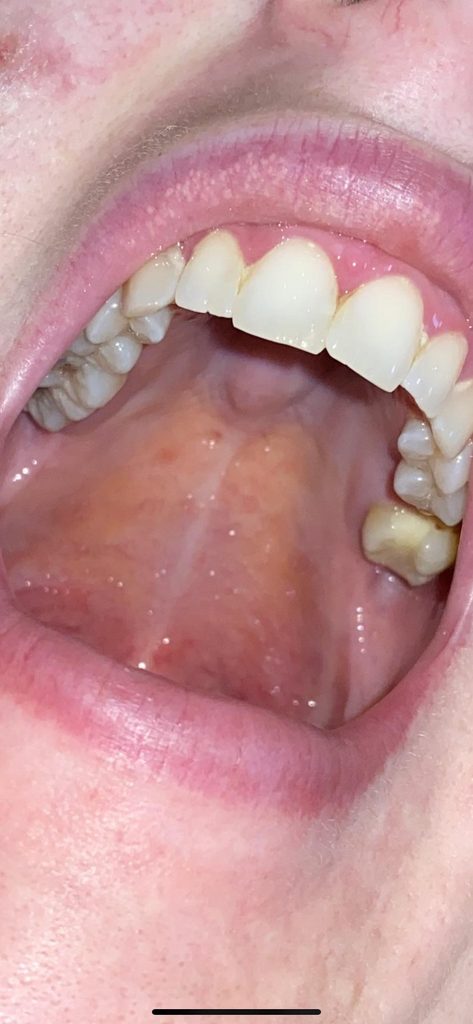
    Have you ever looked in the mirror, lifted your tongue, and noticed a strange discoloration on the roof of your mouth? It can be alarming to see a hue that isnโ€™t the usual healthy pink, leading many to ask, “Is the roof of my mouth supposed to be yellow?” The short answer is no; a healthy palate should typically be pink, though slight variations exist. However, a yellow tint often signals an underlying issue ranging from minor hygiene habits to more serious medical conditions.

    In this guide, we will explore why this happens, what it means for your health, and exactly what steps you should take next. Weโ€™ll break down the medical facts with empathy and clarity, ensuring you have the knowledge to make informed decisions about your oral health.

    Why Is the Roof of My Mouth Yellow?

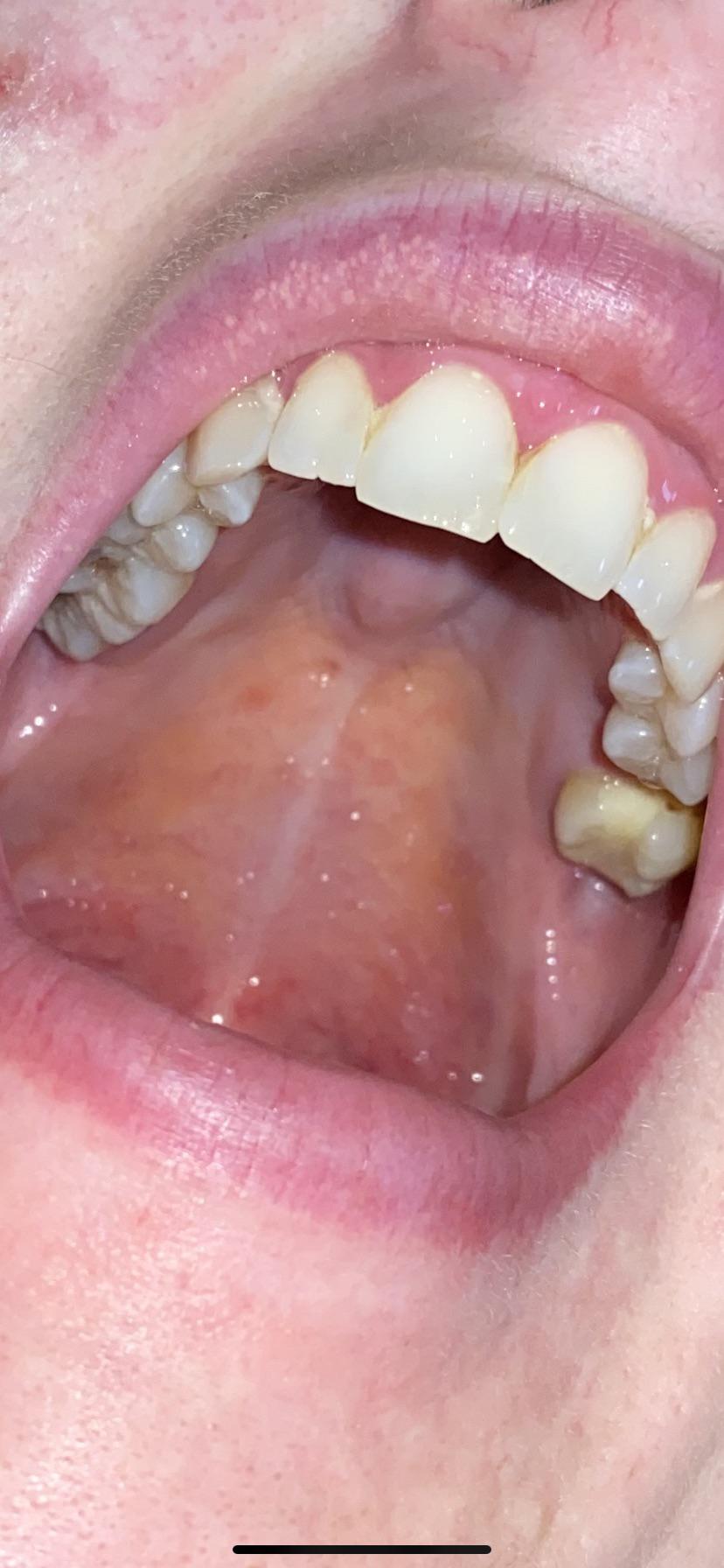
    When addressing the question, “Is the roof of your mouth supposed to be yellow,” it is crucial to understand that while occasional, temporary discoloration might be harmless, persistent yellowing is rarely normal. The palate (the roof of the mouth) is covered by mucous membrane tissue that is highly vascular, which usually gives it a pinkish-red appearance.

    If you notice a yellow tint, it is generally due to one of three categories:

    1. External Factors: Staining from food, drink, or smoking.
    2. Local Oral Conditions: Infections, buildup of dead cells, or cysts.
    3. Systemic Health Issues: Conditions affecting the entire body, such as liver dysfunction.

    Understanding the root cause is the first step toward effective treatment. Letโ€™s dive deeper into the specific reasons behind this symptom.

    1. Jaundice and Liver Health

    One of the most significant medical reasons for a yellow mouth is jaundice. This condition occurs when there is too much bilirubinโ€”a yellow pigment produced during the breakdown of red blood cellsโ€”in your bloodstream.

    While jaundice is most famously associated with yellowing of the whites of the eyes (sclera) and the skin, it can also affect the mucous membranes inside the mouth, including the roof of the mouth and under the tongue.

    • Key Indicator: If the yellowing is widespread and accompanied by yellow eyes, dark urine, or pale stools, it is likely jaundice.
    • Common Causes: Hepatitis, gallstones, alcohol-related liver disease, or pancreatic issues.

    According to Wikipediaโ€™s entry on Jaundice, this symptom requires immediate medical attention as it indicates that your liver is not processing bilirubin correctly. Ignoring these signs can lead to severe complications.

    2. Oral Thrush (Candidiasis)

    Oral thrush is a fungal infection caused by an overgrowth of Candida albicans yeast. While thrush often presents as white patches, these patches can sometimes appear creamy yellow or become yellowish if they bleed slightly or mix with food debris.

    Who is at risk?

    • Infants and the elderly.
    • People with weakened immune systems.
    • Individuals using inhaled corticosteroids for asthma.
    • Diabetics with poor blood sugar control.

    If you scrape the patch and it bleeds or leaves a red, raw area, it is likely thrush. This condition is treatable with antifungal medications prescribed by a dentist or doctor.

    3. Smoking and Tobacco Use

    For smokers, the question “Is the roof of your mouth supposed to be yellow” often has a lifestyle-related answer. Tobacco smoke contains tar and nicotine, which are potent staining agents. Over time, these substances can stain the teeth, gums, and the soft tissue of the palate.

    Additionally, smoking can cause a condition known as Nicotinic Stomatitis. This involves inflammation of the salivary glands in the roof of the mouth, leading to white or yellowish bumps and general discoloration. Quitting smoking often reverses these effects, though it may take several weeks for the tissue to return to its natural pink color.

    4. Poor Oral Hygiene and Debris Buildup

    Sometimes, the answer is simpler than a disease. The roof of the mouth has a textured surface (rugae) that can trap food particles, dead skin cells, and bacteria. If you do not clean your palate regularly, this buildup can form a biofilm that appears yellow or off-white.

    This is particularly common in people who:

    • Do not brush their tongue or palate.
    • Have dry mouth (xerostomia), which reduces the natural cleansing action of saliva.
    • Consume a diet high in sugary or sticky foods.

    5. Viral Infections and Sores

    Certain viral infections, such as Herpes Simplex Virus (cold sores) or Hand, Foot, and Mouth Disease, can cause blisters or sores on the roof of the mouth. As these sores heal, they may develop a yellowish crust or fibrin coating, which is part of the natural healing process.

    ConditionAppearanceAssociated SymptomsAction Required
    JaundiceUniform yellow tintYellow eyes, fatigue, abdominal painSee a Doctor Immediately
    Oral ThrushCreamy yellow/white patchesBurning sensation, loss of tasteAntifungal Treatment
    Smokerโ€™s PalateYellow/brown stainingRough texture, possible bumpsQuit Smoking, Dental Cleaning
    Hygiene BuildupThin yellow filmBad breath, coated tongueImprove Oral Hygiene
    Is The Roof Of Your Mouth Supposed To Be Yellow

    How to Diagnose the Cause at Home

    Before rushing to the clinic, you can perform a few simple checks to narrow down the potential cause. Remember, this is not a substitute for professional diagnosis, but it helps you provide better information to your healthcare provider.

    1. Check Your Eyes: Look in a well-lit mirror. Are the whites of your eyes yellow? If yes, seek emergency care for potential liver issues.
    2. The Scraping Test: Gently try to wipe the yellow area with a clean, damp gauze or toothbrush.
      • If it comes off easily, it is likely debris or mild thrush.
      • If it does not come off or bleeds, it may be a tissue change or infection.
    3. Assess Pain: Is the area painful? Thrush and viral sores are often painful or sensitive. Jaundice and staining are typically painless.
    4. Review Recent Habits: Have you started a new medication? Changed your diet? Started smoking? These contextual clues are vital for diagnosis.

    Step-by-Step Guide to Treating Yellow Palate

    Depending on the cause, here is how you can address the issue.

    For Hygiene-Related Discoloration

    1. Brush Your Palate: When brushing your teeth, gently brush the roof of your mouth with your toothbrush. Use soft bristles to avoid irritation.
    2. Tongue Scraping: Use a tongue scraper to remove bacterial buildup from the back of the tongue, which can migrate to the palate.
    3. Salt Water Rinse: Mix 1 teaspoon of salt in a glass of warm water (approx. 240ml). Swish for 30 seconds and spit. This helps reduce bacteria and soothe inflammation. Repeat twice daily.

    For Suspected Thrush

    1. Consult a Professional: You will likely need a prescription for nystatin or fluconazole.
    2. Probiotics: Incorporate yogurt with live cultures or probiotic supplements to help balance oral flora.
    3. Limit Sugar: Yeast thrives on sugar. Reduce intake of sweets and refined carbs during treatment.

    For Smokers

    1. Professional Cleaning: Visit a dental hygienist for a thorough scaling and polishing to remove tar stains.
    2. Cessation Support: Consider nicotine replacement therapies or counseling to quit smoking, which will prevent recurrence.

    FAQ Section

    1. Is the roof of your mouth supposed to be yellow after eating?

    Temporary yellowing can occur after consuming heavily pigmented foods like turmeric, curry, or certain candies. This should wash away with brushing or rinsing. If the color persists for more than 24 hours, it is not food-related.

    2. Can dehydration cause a yellow roof of the mouth?

    Dehydration leads to dry mouth, which reduces saliva flow. Saliva is essential for washing away bacteria and dead cells. Without it, buildup can occur, potentially leading to a yellowish film. Drinking 2โ€“3 liters of water daily can help resolve this.

    3. When should I see a doctor for a yellow palate?

    You should see a doctor immediately if the yellowing is accompanied by yellow eyes, skin yellowing, abdominal pain, or fever. If the yellow patches are painful, bleeding, or do not improve with improved hygiene after one week, consult a dentist or primary care physician.

    4. Can allergies cause the roof of the mouth to turn yellow?

    Allergies typically cause swelling, itching, or redness rather than yellowing. However, post-nasal drip from allergic rhinitis can contribute to bacterial buildup and bad breath, which might indirectly affect the appearance of the palate.

    5. Is a yellow roof of the mouth contagious?

    If the cause is oral thrush or a viral infection like herpes, it can be contagious through shared utensils or kissing. If the cause is jaundice, smoking, or hygiene, it is not contagious. Always practice good hygiene until the cause is identified.

    Conclusion

    So, is the roof of your mouth supposed to be yellow? No, it is not. While a fleeting tint from food might be harmless, persistent yellow discoloration is a sign that something is off-balance in your oral or systemic health. Whether it is a simple case of plaque buildup, a fungal infection like thrush, or a more serious indicator like jaundice, paying attention to this symptom is crucial.

    By maintaining excellent oral hygiene, staying hydrated, and monitoring other symptoms, you can often prevent or quickly resolve minor issues. However, never ignore signs of liver distress. Your health is your most valuable asset, and early detection is key.

    Found this article helpful? Share it with friends and family on social media to spread awareness about oral health signs. Donโ€™t forget to bookmark this page for future reference!

  • Is Replacing a Rental Roof Tax Deductible?

    Is Replacing a Rental Roof Tax Deductible?

    Owning a rental property is a fantastic way to build wealth, but dealing with unexpected maintenance costs can feel like a financial punch in the gut. When your tenant calls about a leak, your first thought is often about the repair bill, but your second thought should be about the tax implications. Many landlords mistakenly believe that every dollar spent on fixing their property is immediately deductible, leading to costly errors during tax season.

    Understanding is replacing a roof on a rental property tax deductible requires navigating the complex rules set by the Internal Revenue Service (IRS). It is not a simple yes or no answer; it depends entirely on whether the work is classified as a “repair” or a “capital improvement.” In this guide, we will break down these distinctions clearly, helping you keep more of your hard-earned money while staying fully compliant with federal tax laws.


    Repair vs. Improvement: The Critical Distinction

    To understand the tax treatment of your new roof, you must first master the difference between a repair and an improvement. The IRS treats these two categories very differently, and misclassifying them can lead to audits or missed savings opportunities.

    What Counts as a Repair?

    A repair is an expense that keeps your property in good working condition without adding significant value or prolonging its life. Think of it as maintenance. If you patch a few missing shingles after a storm or fix a small leak around a vent pipe, this is typically considered a repair.

    • Tax Treatment: Repairs are fully deductible in the year they are incurred. You can subtract the entire cost from your rental income on your Schedule E form.
    • Example: Spending $500 to seal a leak and replace three damaged shingles.

    What Counts as a Capital Improvement?

    A capital improvement adds value to your property, prolongs its useful life, or adapts it to a new use. Replacing an entire roof usually falls into this category because it significantly extends the life of the building and enhances its value.

    • Tax Treatment: You cannot deduct the full cost in one year. Instead, you must capitalize the cost and recover it over time through depreciation.
    • Example: Spending $15,000 to remove the old roof and install a new 30-year architectural shingle roof.

    The IRS uses the “BAR” test to determine if an expense is an improvement:

    1. Betterment: Does it improve the condition beyond the original state?
    2. Adaptation: Does it adapt the property to a new use?
    3. Restoration: Does it restore the property to a like-new condition?

    If your roof replacement hits any of these points, it is likely a capital improvement.


    How Depreciation Works for Roof Replacements

    Since a full roof replacement is generally a capital improvement, you must depreciate the cost. This means you spread the deduction over the “useful life” of the asset as defined by the IRS.

    The 27.5-Year Rule

    For residential rental properties, the IRS mandates a depreciation period of 27.5 years under the Modified Accelerated Cost Recovery System (MACRS). This applies to the structure itself, including components like the roof.

    Here is how the math works in practice:

    • Total Cost of Roof: $27,500
    • Depreciation Period: 27.5 years
    • Annual Deduction: $1,000 per year

    While this seems less appealing than an immediate deduction, it provides a steady tax benefit for nearly three decades. It is crucial to note that land cannot be depreciated, so ensure your contractorโ€™s invoice separates materials and labor from any land-related costs (though rare for roofing).

    Bonus Depreciation and Section 179

    In recent years, tax laws have introduced incentives like Bonus Depreciation, which allowed landlords to deduct a large percentage of the cost in the first year. However, these provisions are phasing out. As of 2026, the bonus depreciation percentage has decreased significantly compared to previous years. Always consult the current year’s IRS guidelines or a tax professional to see if any temporary provisions apply to your specific situation.

    Is Replacing A Roof On A Rental Property Tax Deductible

    The Safe Harbor Election: A Loophole for Small Expenses

    There is a valuable exception known as the De Minimis Safe Harbor Election. This rule allows businesses and landlords to deduct certain lower-cost items immediately rather than capitalizing and depreciating them.

    To qualify for this safe harbor regarding your roof:

    1. You must have an applicable financial statement (AFS) or not have one (different thresholds apply).
    2. The cost of the item must be below a certain threshold (typically $2,500 per invoice or item for those without an AFS).
    3. You must make a formal election statement on your tax return.

    Scenario: If you are only replacing a small section of the roof, such as a detached garage or a small porch, and the total cost is under $2,500, you might be able to deduct it immediately under this safe harbor. However, a full main-house roof replacement will almost always exceed this limit, requiring standard depreciation.


    Comparison: Immediate Deduction vs. Depreciation

    To visualize the impact on your cash flow and tax liability, consider this comparison table.

    FeatureRepair (Immediate Deduction)Capital Improvement (Depreciation)
    DefinitionMaintains current conditionAdds value or extends life
    Roof ExamplePatching leaks, replacing shinglesFull roof replacement
    Tax Benefit Timing100% in Year 1Spread over 27.5 years
    Cash Flow ImpactImmediate tax refund/savingsSmaller annual tax savings
    Record KeepingSimple receipt retentionRequires asset ledger tracking
    IRS ScrutinyLower risk if documentedHigher scrutiny on classification

    Steps to Properly Document Your Roof Expense

    Proper documentation is your best defense against an IRS audit. Follow these steps to ensure your records are impeccable.

    1. Get Detailed Invoices: Do not accept a receipt that just says “Roof Work.” Ensure the invoice details the scope of work, materials used, and labor hours. It should explicitly state if it was a repair or a full replacement.
    2. Take Before and After Photos: Visual evidence supports your claim. If you claimed it was a repair, photos showing minor damage help prove your point. If it was a replacement, photos show the extent of the work.
    3. Keep Contracts and Permits: If your local municipality required a permit for the roof replacement, keep a copy. Permits are strong evidence that major structural work was performed, supporting the capitalization argument.
    4. Separate Personal and Rental Expenses: If you live in part of the property (house hacking), you must allocate the roof cost between personal and rental use. Only the rental portion is depreciable. For more on general property tax concepts, you can refer to Wikipediaโ€™s page on Property Tax for foundational knowledge, though always rely on IRS publications for specific filing rules.

    FAQ Section

    1. Can I deduct the cost of a new roof if I sell the property?

    No, you cannot take a remaining depreciation deduction as a lump sum when you sell. However, the undepreciated basis of the roof is part of your propertyโ€™s adjusted basis. This reduces your capital gains tax liability when you sell the property. Essentially, you get the tax benefit either through annual depreciation or upon sale via lower capital gains.

    2. What if I repaired the roof last year but didnโ€™t deduct it?

    If you missed a deduction for a legitimate repair in a previous year, you can file an amended tax return (Form 1040-X) for that specific year. Generally, you have three years from the date you filed the original return to claim a refund. Do not try to claim it on the current yearโ€™s return, as this can raise red flags.

    3. Does insurance reimbursement affect my tax deduction?

    Yes. If your insurance company pays for part or all of the roof replacement due to storm damage, you cannot deduct the reimbursed amount. You can only deduct or depreciate the out-of-pocket expenses you paid. Additionally, if the insurance payout exceeds your adjusted basis in the roof, you may have a taxable gain.

    4. Is a roof inspection tax deductible?

    Generally, routine inspections are considered maintenance and can be deducted as a repair expense in the year they occur. However, if the inspection is part of a larger capital improvement project (like assessing the roof before a full replacement), it may need to be capitalized as part of the total improvement cost.

    5. What happens if I use the wrong classification?

    If you deduct a capital improvement as a repair, the IRS may disallow the deduction, charge back taxes, and impose penalties and interest. Conversely, if you capitalize a simple repair, you lose the immediate tax benefit, though you can correct this by amending your return. Accuracy is key to avoiding unnecessary stress.


    Conclusion

    Navigating the question “is replacing a roof on a rental property tax deductible” comes down to understanding the nature of the work. While simple repairs offer immediate tax relief, a full roof replacement is a capital improvement that must be depreciated over 27.5 years. Although depreciation spreads the benefit over time, it remains a powerful tool for reducing your taxable rental income year after year.

    By keeping meticulous records, understanding the BAR test, and leveraging safe harbor elections where applicable, you can optimize your tax strategy legally and effectively. Remember, tax laws are subject to change, and every property situation is unique.

    Did you find this guide helpful? Share it with fellow landlords on Facebook or LinkedIn to help them save money on their next maintenance project! And donโ€™t forget to consult with a qualified CPA to tailor these strategies to your specific financial portfolio.

  • Is Brick Gay In Cat On A Hot Tin Roof?

    Is Brick Gay In Cat On A Hot Tin Roof?

    For decades, theatergoers and literature students have debated the true nature of the relationship between Brick and Skipper in Tennessee Williamsโ€™ masterpiece. If you are confused by the subtle hints, coded language, and intense emotional dynamics, you are not alone. Many readers ask, “Is Brick gay in Cat on a Hot Tin Roof?“ to understand the tragic core of the play. This article dives deep into the text, historical context, and authorial intent to provide a clear, nuanced answer.

    The Ambiguity of Brickโ€™s Sexuality

    To understand whether Brick is gay, we must first look at how Tennessee Williams constructed the character. Brick Pollitt is not a caricature; he is a complex figure trapped by societal expectations of 1950s masculinity.

    Williams never explicitly states that Brick is homosexual in the traditional sense. Instead, he presents a man who experienced a profound, possibly romantic, love for his friend Skipper that society could not name or accept. This ambiguity is intentional. It forces the audience to confront the destructive power of repression.

    The tension in the play does not come from a simple “coming out” story. It comes from Brickโ€™s inability to process his feelings within a rigid, heteronormative framework. He is not necessarily gay in the modern identity-politics sense, but he is certainly queer in his deviation from expected male behavior and his deep emotional bond with another man.

    Did Brick and Skipper Have a Sexual Relationship?

    One of the most common questions users ask is whether the relationship between Brick and Skipper was physically sexual. The text provides evidence for both sides, but leans heavily toward an emotional rather than physical connection.

    The Case for Emotional Intimacy

    • Exclusive Bond: Brick describes his friendship with Skipper as the only “true” thing in his life. He contrasts this with his marriage to Maggie, which he views as transactional.
    • Jealousy and Betrayal: Brickโ€™s anger stems from Skipperโ€™s attempt to confess his love. Brick rejects this confession not because he hates Skipper, but because he cannot face the implication of what that love means.
    • The Phone Call: The pivotal moment in the play is the phone call where Skipper tries to admit his feelings. Brick hangs up. This act destroys Skipper, leading to his alcoholism and eventual death.

    The Case Against Physical Relations

    • Brickโ€™s Marriage: Brick is married to Maggie and has no indicated history of other male partners.
    • Societal Context: In the 1950s South, overt homosexuality was dangerous. Williams often used “subtext” to bypass censorship. If they had a physical affair, it would likely have been more explicit in the stage directions or dialogue, given Williamsโ€™ usual boldness.
    • Skipperโ€™s Confession: Skipperโ€™s need to confess suggests that the boundary had not yet been crossed physically, but that the emotional line had been blurred beyond repair.

    Most scholars agree that while they may not have been sexual partners, their relationship possessed the intensity and exclusivity typically reserved for romantic love.

    Is Brick Gay In Cat On A Hot Tin Roof

    Tennessee Williamsโ€™ Intent and Historical Context

    To answer “Is Brick gay in Cat on a Hot Tin Roof?”, we must look at the author himself. Tennessee Williams was a gay man living in a time when homosexuality was criminalized and stigmatized.

    Williams often infused his works with queer subtext. He used characters like Brick to explore the pain of closeted existence. However, he also resisted labeling his characters strictly. He believed in the fluidity of human desire.

    According to literary critics, Williams intended Brick to represent the tragedy of denied truth. Whether Brick is technically “gay” is less important than the fact that he is incapable of honesty. His alcoholism is a direct result of suppressing his true feelings for Skipper.

    “The world is violent and mercurialโ€”there is nothing more stable than a good lie.” โ€” Tennessee Williams

    This quote reflects the environment Brick inhabits. He chooses the “lie” of heterosexual normalcy over the “truth” of his complex emotions.

    Comparison: Brick vs. Traditional Heterosexual Masculinity

    To better understand Brickโ€™s deviation from the norm, letโ€™s compare his traits with the expected masculine ideals of the 1950s.

    TraitTraditional 1950s MasculinityBrick Pollitt
    Emotional ExpressionStoic, unemotionalVolatile, deeply sensitive, prone to despair
    FriendshipCamaraderie, sports, drinkingDeep, exclusive, emotionally dependent
    MarriageDuty, procreation, statusViewed as a trap, lacks genuine connection
    Conflict ResolutionAction-oriented, decisiveAvoidant, uses alcohol to escape
    Sexual IdentityClearly heterosexualAmbiguous, repressed, conflicted

    This table highlights why Brick feels so alienated. He does not fit the mold, yet he tries desperately to maintain the appearance of fitting in. This dissonance is the source of his suffering.

    The Role of Maggie in Brickโ€™s Sexuality

    Maggie, the “Cat,” is often seen as the antagonist to Brickโ€™s truth. However, she is also a victim of his repression.

    Maggie suspects that Brickโ€™s indifference to her is due to his attachment to Skipper. She says, “I know youโ€™re not interested in me sexually.” Her frustration is not just about sex; it is about being shut out of Brickโ€™s inner world.

    Brickโ€™s inability to engage with Maggie is a symptom of his unresolved feelings for Skipper. He cannot transfer his emotional capacity to his wife because it is still locked away with his dead friend. This dynamic reinforces the idea that Brickโ€™s primary emotional orientation was toward men, specifically Skipper, even if he did not act on it physically.

    Critical Interpretations Over Time

    Since its premiere in 1955, interpretations of Brickโ€™s sexuality have evolved.

    1. 1950sโ€“1970s: Critics often viewed Brick as simply depressed or alcoholic. The gay subtext was frequently ignored or censored in early productions.
    2. 1980sโ€“1990s: With the rise of queer theory, scholars began to explicitly analyze the homoerotic tension between Brick and Skipper.
    3. 2000sโ€“Present: Modern productions often lean into the queer reading. Directors may stage the interactions between Brick and Skipper (in flashbacks) with more intimacy to highlight the romantic nature of their bond.

    For a deeper understanding of the playโ€™s historical reception, you can refer to the detailed analysis on Wikipedia.

    FAQ Section

    1. Does Tennessee Williams confirm Brick is gay?

    No, Williams never explicitly labeled Brick as gay. He preferred ambiguity, allowing audiences to interpret the depth of Brickโ€™s feelings for Skipper. However, Williams acknowledged the homoerotic subtext in interviews later in life.

    2. Why does Brick drink so much in the play?

    Brick drinks to numb the pain of his guilt and grief. He feels responsible for Skipperโ€™s death because he rejected Skipperโ€™s confession of love. Alcohol is his escape from the “mendacity” (lies) of his family and his own internal conflict.

    3. Is Skipper in love with Brick?

    Yes, the text strongly suggests that Skipper is in love with Brick. Skipperโ€™s attempt to confess his feelings over the phone is the catalyst for the playโ€™s central conflict. His subsequent decline and death are results of Brickโ€™s rejection.

    4. How does the film adaptation differ from the play regarding Brickโ€™s sexuality?

    The 1958 film starring Paul Newman significantly toned down the homoerotic subtext due to the Hays Code. In the movie, Brickโ€™s relationship with Skipper is portrayed more as a standard friendship gone wrong, removing much of the queer coding present in the original stage play.

    5. Can Brick be considered bisexual?

    Some modern interpretations suggest Brick could be bisexual, as he is married and has children. However, his lack of sexual interest in Maggie and his exclusive emotional devotion to Skipper lean more toward a repressed homosexual orientation or asexuality resulting from trauma.

    6. What is the significance of the title “Cat on a Hot Tin Roof”?

    The title refers to Maggie, who is like a cat on a hot tin roofโ€”restless, uncomfortable, and trying to find a place to land. It symbolizes the tension and discomfort in the household, driven largely by Brickโ€™s unresolved secrets and sexuality.

    Conclusion

    So, is Brick gay in Cat on a Hot Tin Roof? The answer is not a simple yes or no. Brick is a character defined by repression. While he may not have engaged in sexual acts with men, his emotional heart belonged to Skipper. In the context of the 1950s, this deep, exclusive male bond, coupled with his rejection of heterosexual intimacy, aligns with a queer reading of the character.

    Tennessee Williams crafted Brick to show the devastating cost of living a lie. Whether we label him gay, bisexual, or emotionally conflicted, the core truth remains: Brickโ€™s tragedy is his inability to accept love in its truest form.

    Understanding this nuance enriches the experience of reading or watching the play. It transforms Brick from a mere alcoholic into a poignant symbol of societal constraint.

    Did this analysis help clarify your understanding of Brickโ€™s character? Share this article with your book club or theater friends to keep the discussion going!

  • Boost Curb Appeal: New Roof Beauty Guide

    Boost Curb Appeal: New Roof Beauty Guide

    Your home is likely your most significant investment, yet the roof often gets neglected until it leaks. Many homeowners donโ€™t realize that a worn-out roof drags down the entire aesthetic of their property, making even a well-maintained garden look lackluster. If you are looking to improve the beauty of your home with a roof replacement, you are not just fixing a structural necessity; you are unlocking a powerful design opportunity that can instantly elevate your curb appeal.

    Why Is the Roof Critical to Home Aesthetics?

    When we think about home improvement, we often focus on kitchens, bathrooms, or landscaping. However, the roof accounts for up to 40% of your homeโ€™s visible exterior surface area. It is the “hat” of your house, framing the entire structure. A sagging, discolored, or mismatched roof creates visual discord, while a new, well-chosen roof provides harmony and character.

    According to the National Association of Realtors (NAR), curb appeal is one of the top factors influencing buyer interest. A fresh roof signals that the home is well-cared-for, modern, and secure. But beyond mere maintenance, a roof replacement allows you to redefine your homeโ€™s architectural style. Whether you want a sleek, modern minimalist look or a rustic, traditional charm, the right roofing material and color can dictate the mood of your entire property.

    How Do Different Roofing Materials Impact Visual Appeal?

    Not all roofs are created equal. The material you choose defines the texture, depth, and overall vibe of your home. Here is a breakdown of popular options and their aesthetic contributions:

    1. Asphalt Shingles: Versatile and Classic

    Asphalt remains the most popular choice in the US due to its affordability and versatility. Modern architectural asphalt shingles come in various shapes and colors that can mimic more expensive materials like wood or slate.

    • Best for: Traditional suburban homes, Colonial styles, and budget-conscious renovations.
    • Aesthetic Note: Look for “dimensional” shingles that offer shadow lines, creating a richer, more textured appearance than flat 3-tab shingles.

    2. Metal Roofing: Modern and Sleek

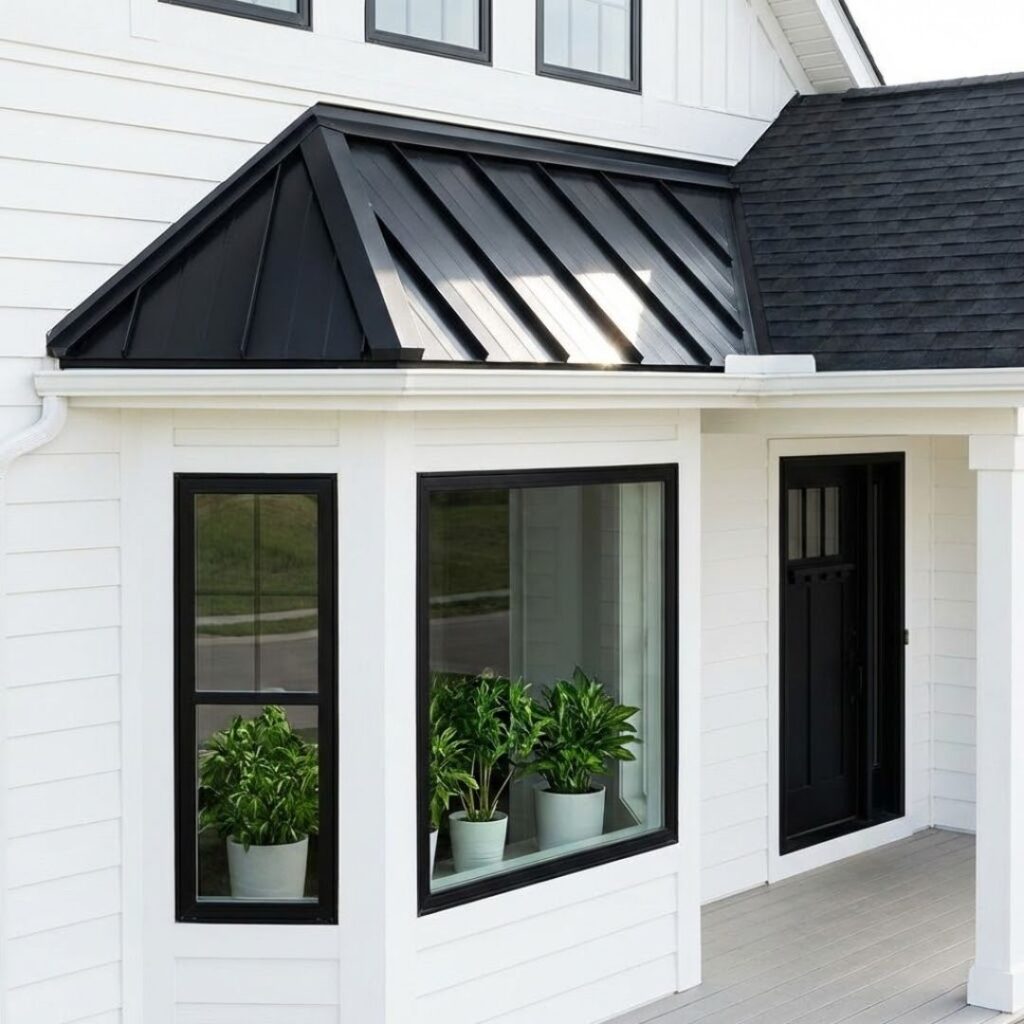
    Once reserved for barns, metal roofing has entered the mainstream residential market. It offers clean lines and a contemporary edge. Standing seam metal roofs, in particular, provide a vertical rhythm that can make a house appear taller and more elegant.

    • Best for: Modern farmhouses, industrial-style homes, and coastal properties.
    • Aesthetic Note: Available in matte finishes, copper patinas, and even stone-coated variants that look like tile.

    3. Clay and Concrete Tiles: Mediterranean Elegance

    If you want to make a bold statement, tile roofing is unmatched. These heavy, durable materials evoke the warmth of Spanish, Mediterranean, or Southwestern architecture.

    • Best for: Stucco homes, warm-climate regions, and luxury estates.
    • Aesthetic Note: The natural variation in clay tiles adds organic beauty that synthetic materials struggle to replicate.

    4. Slate: Timeless Luxury

    Slate is the gold standard for durability and beauty. Its natural stone composition offers unique color variations and a prestigious look that ages gracefully over decades.

    • Best for: Historic homes, Tudor styles, and high-end custom builds.
    • Aesthetic Note: Slate develops a subtle patina over time, enhancing its character without losing integrity.

    For a deeper understanding of historical roofing materials and their evolution, you can refer to this comprehensive resource on Roofing materials from Wikipedia.

    Improve The Beauty Of Your Home With A Roof Replacement

    What Color Should You Choose for Your New Roof?

    Color selection is arguably the most critical decision when aiming to improve the beauty of your home with a roof replacement. The wrong color can clash with your siding, brick, or stone, while the right color creates a cohesive masterpiece.

    The Rule of Contrast and Harmony

    • Light Siding: If your home has white, cream, or light gray siding, you have flexibility. Dark roofs (charcoal, black) create striking contrast, while lighter roofs (slate gray, tan) offer a softer, monochromatic look.
    • Dark Siding: For homes with dark blue, brown, or black siding, avoid matching the roof exactly. Instead, choose a complementary tone. For example, pair dark blue siding with a cool gray roof.
    • Brick Homes: Brick is multicolored. Pick a roof color that matches the mortar or the secondary color in the brick, not necessarily the dominant red. This ties the elements together subtly.

    Trend Alert: Cool Tones vs. Warm Tones

    Currently, there is a shift toward cooler tones. Grays, blues, and blacks are dominating the market, replacing the warm browns and tans of the early 2000s. However, if your home features warm wood accents or copper gutters, a warm-toned roof might still be the better aesthetic choice.

    Does a New Roof Increase Property Value?

    Yes, significantly. While aesthetics are subjective, value is measurable. A roof replacement is one of the few home improvements that offers a high return on investment (ROI) because it addresses both function and form.

    FeatureImpact on BeautyImpact on Value
    Curb AppealHighMedium-High
    Energy EfficiencyLow (Visual)High (Long-term savings)
    DurabilityMedium (Clean look)High (Buyer confidence)
    ModernizationHighMedium

    According to the Remodeling 2023 Cost vs. Value Report, mid-range roofing replacements recoup approximately 60-70% of their cost upon resale. However, the “beauty premium” is harder to quantify but essential for selling speed. A beautiful home sells faster.

    How to Execute a Beauty-Focused Roof Replacement

    To ensure your new roof enhances your homeโ€™s beauty, follow these strategic steps:

    1. Assess Your Architecture: Identify your homeโ€™s style (e.g., Victorian, Ranch, Craftsman). Research what roofing styles are historically accurate or aesthetically pleasing for that architecture.
    2. Gather Samples: Never choose a color from a small swatch alone. Order large samples or view full-sized mockups in different lighting conditions (morning sun, afternoon shade).
    3. Consider the Surroundings: Look at your neighborsโ€™ homes and the natural landscape. You want your home to stand out positively, not clash with the neighborhoodโ€™s character.
    4. Hire a Design-Savvy Contractor: Not all roofers are designers. Choose a contractor who understands color theory and can provide digital renderings of how the new roof will look on your specific home.
    5. Update Accessories: A new roof is the perfect time to replace gutters, downspouts, and fascia boards. Matching these elements to your new roof color creates a polished, finished look.

    Frequently Asked Questions (FAQ)

    1. How long does a roof replacement take?

    Most residential roof replacements can be completed in 1โ€“3 days, depending on the size of the home and the complexity of the roofline. Weather plays a significant role, so always have a buffer in your schedule.

    2. Can I install a new roof over the old one?

    While “overlaying” is possible, it is generally not recommended if you want to improve the beauty of your home with a roof replacement. Removing the old layers allows contractors to inspect the deck for damage, ensures proper ventilation, and results in a smoother, flatter final appearance.

    3. What is the most durable roofing material?

    Slate and metal roofs are among the most durable, often lasting 50+ years. Clay tiles also offer exceptional longevity. Asphalt shingles typically last 15โ€“30 years, depending on quality and climate.

    4. Will a new roof help with energy bills?

    Yes. Modern roofing materials often come with reflective coatings (cool roofs) that reflect more sunlight and absorb less heat. This can lower your cooling costs by 10โ€“15%, especially in hotter climates.

    5. How do I maintain the beauty of my new roof?

    Regular maintenance is key. Clean your gutters twice a year to prevent water backup and staining. Trim overhanging tree branches to prevent moss growth and physical damage. Schedule a professional inspection every 2โ€“3 years.

    6. Is metal roofing noisy during rain?

    This is a common myth. When installed correctly with solid sheathing and proper insulation, metal roofing is no noisier than asphalt shingles. In fact, many homeowners find the sound of rain on metal quite soothing.

    Conclusion

    Replacing your roof is a major undertaking, but it is also one of the most transformative projects you can undertake for your home. By choosing the right material, color, and style, you can improve the beauty of your home with a roof replacement in ways that go far beyond simple protection from the elements. You create a visual identity that reflects your taste and increases your propertyโ€™s marketability.

    Donโ€™t let an aging roof dull your homeโ€™s potential. Take the time to explore your options, consult with experts, and visualize the possibilities. A beautiful roof is not just an expense; itโ€™s an investment in your homeโ€™s soul.

    Did you find this guide helpful? Share it with friends on Facebook or Pinterest who are considering a home makeover!

  • If The Roof Is Rusted The Basement Is Flooded Meaning

    If The Roof Is Rusted The Basement Is Flooded Meaning

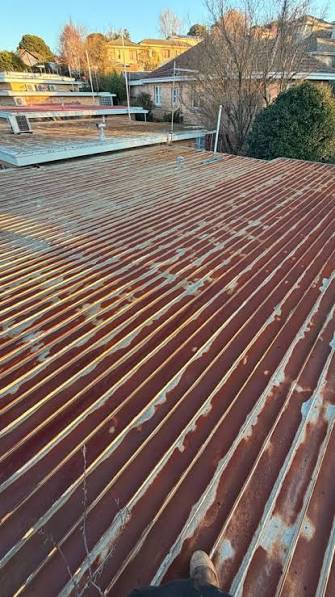
    Have you ever walked into an older home and noticed a strange correlation between the condition of the exterior and the state of the interior? It is a frustrating reality for many homeowners: visible decay on the outside often signals hidden disaster within. Understanding the “If The Roof Is Rusted The Basement Is Flooded Meaning“ is crucial not just for property owners, but for anyone interested in recognizing the signs of long-term neglect in systems, whether they are physical structures or organizational frameworks.

    This phrase is more than just a literal observation; it is a powerful metaphor for cause and effect. In this guide, we will dissect the literal implications of rusted roofing leading to basement flooding, explore the deeper symbolic meaning, and provide actionable steps to prevent this cascade of failure. By the end of this article, you will know exactly what to look for and how to stop small problems from becoming catastrophic expenses.

    What Does “If The Roof Is Rusted The Basement Is Flooded” Literally Mean?

    At its most basic level, this statement describes a direct physical consequence of deferred maintenance. A roof is the primary shield of a building against the elements. When that shield compromisesโ€”specifically through rusting in metal roofs or degradation in other materialsโ€”water infiltration becomes inevitable.

    The Physics of Water Intrusion

    Water is persistent. It follows the path of least resistance. When a roof develops rust holes, cracks, or compromised seams, rainwater does not simply stop at the attic. Gravity pulls it downward through the structural framework.

    1. Entry Point: Water enters through the rusted section of the roof.
    2. Travel Path: It saturates insulation, rots wooden beams, and seeps through drywall.
    3. Accumulation: If the drainage systems (gutters and downspouts) are also neglected, water pools around the foundation.
    4. The Result: Hydrostatic pressure builds up against the basement walls, forcing water through cracks, resulting in a flooded basement.

    Therefore, the phrase literally means that visible exterior neglect (rusted roof) is a reliable predictor of severe interior damage (flooded basement). It suggests that the homeowner has ignored maintenance for so long that the entire structural integrity is compromised.

    Why Is This Phrase Used as a Metaphor for Neglect?

    Beyond construction, this saying has gained traction in business management, psychology, and systems theory. It serves as a vivid illustration of systemic failure.

    The Iceberg Theory of Problems

    In many contexts, the “rusted roof” represents the visible symptoms of a problem, while the “flooded basement” represents the deep-rooted, costly consequences that are hidden from immediate view.

    • In Business: A “rusted roof” might be poor customer service reviews or high employee turnover. The “flooded basement” is the eventual bankruptcy or toxic company culture that results from ignoring those early warning signs.
    • In Personal Health: Ignoring minor symptoms (the rust) can lead to chronic, life-altering conditions (the flood).

    The core lesson is that small, visible issues are rarely isolated. They are usually indicators of a broader pattern of neglect that allows larger, more expensive disasters to brew unnoticed below the surface.

    If The Roof Is Rusted The Basement Is Flooded Meaning

    How Does a Rusted Roof Actually Cause Basement Flooding?

    To truly understand the severity, we must look at the mechanical link between the roof and the foundation. Many people assume these two parts of the house are unrelated, but they are intimately connected through the homeโ€™s water management system.

    The Chain Reaction of Decay

    StageConditionConsequence
    1. Initial DamageSmall rust spots appear on metal flashing or roofing panels.Minor leaks during heavy rain; attic moisture increases.
    2. Structural WeakeningRust expands, creating holes. Gutters clog with rust debris.Water overflows gutters, dumping directly next to the foundation.
    3. Soil SaturationGround around the house becomes oversaturated.Soil expands, exerting pressure on basement walls (hydrostatic pressure).
    4. Foundation FailureCracks form in the basement concrete due to pressure and age.Water forces its way through cracks, flooding the basement.

    According to data from the Insurance Information Institute, water damage and freezing are among the most common causes of home insurance claims. Ignoring roof maintenance significantly increases the likelihood of these claims.

    The Role of Gutters and Downspouts

    A rusted roof often coincides with rusted or clogged gutters. When gutters fail, they do not channel water away from the house. Instead, they create a “waterfall” effect directly against the foundation. This is the missing link that connects the roof to the basement. Without proper diversion, even a small roof leak can contribute to significant ground saturation.

    What Are the Signs That Your Roof Is Causing Basement Issues?

    Identifying the problem early can save thousands of dollars. Here are the key indicators that your “roof is rusted” and your “basement is flooding” scenario is in progress.

    Exterior Warning Signs

    • Visible Rust Streaks: Look for orange or brown streaks running down the side of your house from the roofline.
    • Granule Loss: For asphalt shingles, check gutters for excessive granules, which indicate aging.
    • Sagging Rooflines: This suggests structural weakening from long-term water exposure.
    • Moss or Algae Growth: Indicates trapped moisture, which accelerates rust and decay.

    Interior Warning Signs

    • Musty Odors: A damp smell in the attic or upper floors often precedes visible leaks.
    • Water Stains on Ceilings: Brown or yellow rings on top-floor ceilings are direct evidence of roof leaks.
    • Efflorescence in Basement: White, chalky residue on basement walls indicates water moving through masonry.
    • High Humidity Levels: If your basement feels clammy despite using a dehumidifier, the source may be external infiltration.

    Step-by-Step Guide to Preventing the “Rusted Roof, Flooded Basement” Cycle

    Prevention is always cheaper than cure. Follow these steps to break the cycle of neglect.

    Step 1: Conduct a Bi-Annual Roof Inspection

    Inspect your roof in spring and fall. Look for rust spots, loose shingles, or damaged flashing. If you are uncomfortable climbing a ladder, hire a professional. Note: Use binoculars for a safe initial assessment from the ground.

    Step 2: Clean and Repair Gutters

    Ensure gutters are free of debris. Check for rust holes in metal gutters and seal them with waterproof patching compound. Ensure downspouts extend at least 6 feet (1.8 meters) away from the foundation.

    Step 3: Improve Landscape Grading

    The ground around your home should slope away from the foundation. A slope of 5% for the first 10 feet is recommended to direct water away from the basement.

    Step 4: Seal Basement Cracks

    Use hydraulic cement or epoxy injection to seal any existing cracks in the basement walls. This prevents water from entering even if the soil becomes saturated.

    Step 5: Install a Sump Pump

    If you live in an area with high rainfall, a sump pump is essential. It actively removes water that accumulates in the basement pit, preventing flooding even if some water bypasses your exterior defenses.

    Frequently Asked Questions (FAQ)

    1. Can a small rust spot on the roof really cause a flooded basement?

    Yes, indirectly. While a small rust spot may only cause a minor attic leak, it often indicates that the entire roofing system and gutter system are aged and failing. If the gutters are also compromised, water will pool around the foundation, which is the primary cause of basement flooding.

    2. How long does it take for a rusted roof to cause basement damage?

    There is no fixed timeline, as it depends on rainfall frequency and soil type. However, significant structural damage can occur within one to two seasons of heavy rain if the roof and gutters are completely neglected. Slow, chronic leaks can cause mold and rot over several years before visible flooding occurs.

    3. Is it better to repair the roof or fix the basement first?

    Always address the source of the water first. Fixing the basement without repairing the rusted roof and gutters is a temporary solution. Water will continue to enter the system, eventually overwhelming any basement repairs. Fix the roof to stop the input; fix the basement to manage the output.

    4. Does homeowners insurance cover damage from a rusted roof?

    Generally, no. Most insurance policies cover “sudden and accidental” damage. Damage resulting from long-term neglect, wear and tear, or lack of maintenance (like a rusted-out roof) is typically excluded. This makes preventive maintenance financially critical.

    5. What is the best material to prevent roof rust?

    Galvanized steel with a high-quality coating, aluminum, or copper are excellent choices for resisting rust. Aluminum and copper do not rust in the traditional sense, though they can oxidize. Modern coated steel roofs can last 40โ€“70 years with minimal maintenance.

    Conclusion

    The phrase “If The Roof Is Rusted The Basement Is Flooded Meaning“ serves as a stark reminder of the interconnectedness of our environments. Whether you are managing a home, a business, or your personal well-being, ignoring visible signs of decay inevitably leads to hidden, costly disasters.

    By understanding the literal mechanics of water damage and the metaphorical implications of systemic neglect, you can take proactive steps to protect your assets. Regular inspections, timely repairs, and a mindset of preventive maintenance are your best defenses against the “flood.”

    Donโ€™t wait for the basement to fill up. Check your roof today. If you found this guide helpful, please share it with your friends and family on social media to help them avoid costly home repairs!

  • I Feel A Bump On The Roof Of My Mouth: Causes & Fixes

    I Feel A Bump On The Roof Of My Mouth: Causes & Fixes

    Have you ever run your tongue over the roof of your mouth and suddenly stopped, startled by an unexpected lump? It is a surprisingly common experience that can range from a minor annoyance to a source of significant anxiety. If you are thinking, “I feel a bump on the roof of my mouth,” you are not alone, and in most cases, the cause is benign and temporary.

    Understanding what lies beneath that small protrusion is key to finding relief and peace of mind. In this guide, we will explore the most likely culprits behind palatal bumps, offer practical home remedies, and clarify exactly when professional medical attention is necessary.

    Why Did This Bump Suddenly Appear?

    The roof of your mouth, known medically as the palate, is divided into two sections: the hard palate at the front and the soft palate at the back. Because this area is rich in nerve endings, salivary glands, and blood vessels, it is susceptible to various irritations and conditions.

    When you notice a new growth, your brain immediately jumps to worst-case scenarios. However, statistical data from dental associations suggests that the vast majority of oral lumps are non-cancerous. They are often reactive responses to trauma, infection, or blocked glands. Identifying the specific type of bump is the first step toward effective treatment.

    Common Causes of Palatal Bumps

    To help you narrow down the possibilities, letโ€™s look at the most frequent reasons for these oral anomalies.

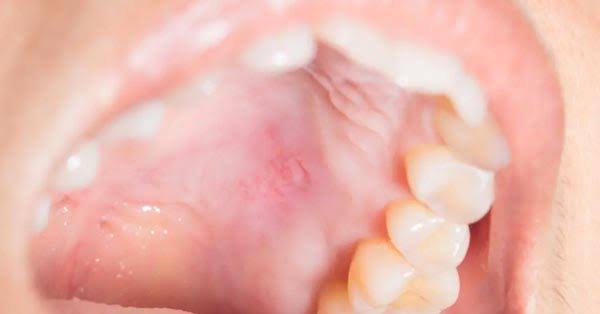
    1. Thermal Burns (Pizza Palate)

    This is arguably the most common cause. Eating food that is too hotโ€”like melted cheese or hot coffeeโ€”can scald the delicate tissue of the hard palate.

    • Symptoms: A blister-like bump, redness, and tenderness.
    • Healing Time: Typically 3โ€“7 days.
    • Action: Avoid hot foods and rinse with cool water.

    2. Canker Sores (Aphthous Ulcers)

    While canker sores usually appear on the inside of cheeks or gums, they can develop on the soft palate.

    • Appearance: Small, shallow lesions with a white or yellow center and a red border.
    • Trigger: Stress, minor injury, or acidic foods.
    • Note: These are not contagious but can be painful.

    3. Oral Mucoceles

    These occur when a salivary gland becomes blocked or damaged, causing saliva to pool under the skin.

    • Texture: Soft, fluid-filled, and often translucent or bluish.
    • Location: More common on the lower lip but can appear on the palate.
    • Outcome: They often rupture and heal on their own but may recur.

    4. Torus Palatinus

    If the bump is hard, bony, and located in the center of the hard palate, it might be a torus palatinus.

    • Nature: This is a benign bony growth, not a disease.
    • Prevalence: Affects approximately 20-30% of the population.
    • Concern Level: Low. It requires no treatment unless it interferes with denture fitting.

    5. Nasopalatine Duct Cyst

    This is a rare developmental cyst that forms in the midline of the anterior hard palate.

    • Symptoms: Often asymptomatic, but can cause swelling or discharge if infected.
    • Diagnosis: Requires X-ray or CT scan by a dentist.
    I Feel A Bump On The Roof Of My Mouth

    When Should You Worry? Red Flags to Watch For

    While most bumps are harmless, some signs indicate a need for professional evaluation. Use this checklist to assess your situation:

    SymptomLikely CauseAction Required
    Painful, white/yellow centerCanker SoreHome care; wait 1-2 weeks
    Blister after hot foodThermal BurnCool rinses; avoid irritants
    Hard, bony, painlessTorus PalatinusNo action needed
    Persists > 2 weeksVariousSee a Dentist
    Bleeding or rapid growthSerious ConditionSee a Doctor Immediately
    Accompanied by feverInfection/AbscessSeek Urgent Care

    According to the National Institute of Dental and Craniofacial Research, persistent oral lesions should never be ignored. Early detection is crucial for any potential serious conditions, including oral cancer, although this is rare in young, healthy individuals without risk factors like smoking or heavy alcohol use.

    Step-by-Step Home Relief Guide

    If your bump is due to minor trauma or irritation, you can manage it at home. Follow these steps to promote healing and reduce discomfort.

    1. Salt Water Rinse
      • Mix 1/2 teaspoon of salt into 8 ounces (240 ml) of warm water.
      • Swish gently around the mouth for 30 seconds.
      • Spit out. Repeat 2โ€“3 times daily. This reduces inflammation and keeps the area clean.
    2. Cold Compress Application
      • Suck on ice chips or eat cold foods like yogurt or smoothies.
      • The cold temperature helps numb the area and reduces swelling.
      • Avoid direct contact of ice cubes with the bump for prolonged periods to prevent further tissue damage.
    3. Dietary Adjustments
      • Avoid spicy, acidic, or crunchy foods that could scratch or irritate the bump.
      • Stick to soft foods like mashed potatoes, soups (cooled), and scrambled eggs.
      • Stay hydrated with room-temperature water.
    4. Over-the-Counter Remedies
      • Consider using oral gels containing benzocaine for temporary pain relief.
      • Use antiseptic mouthwashes (alcohol-free) to prevent secondary infection.

    Expert Insights on Oral Health

    Dr. Emily Chen, a board-certified periodontist, notes, “Patients often panic when they feel a lump, but context is everything. Did you just eat a slice of hot pizza? Are you stressed? Most oral bumps are the body’s way of reacting to minor stressors. However, consistency is key. If it doesn’t go away in two weeks, get it checked.”

    Maintaining good oral hygiene is also preventive. Brushing twice daily and flossing removes bacteria that could infect minor abrasions, turning a simple scratch into an abscess.

    FAQ Section

    1. Can a bump on the roof of the mouth be cancer?

    While oral cancer can present as a lump, it is relatively rare compared to benign causes like burns or cysts. Oral cancer lumps are typically painless in early stages, do not heal within two weeks, and may be accompanied by unexplained bleeding or numbness. If you have risk factors like smoking or HPV, regular screenings are vital.

    2. How long does it take for a burn bump to heal?

    Minor thermal burns on the palate usually heal within 3 to 7 days. The mouth has an excellent blood supply, which accelerates healing. If the pain persists beyond a week or shows signs of infection (pus, increased swelling), consult a dentist.

    3. Is it safe to pop a blister on the roof of my mouth?

    No. Popping a blister or mucocele introduces bacteria into the open wound, significantly increasing the risk of infection. It can also delay healing and cause more pain. Let it rupture naturally or seek professional drainage if it is large and bothersome.

    4. What is the hard bump in the middle of my roof mouth?

    If the bump is hard, symmetrical, and located in the center of the hard palate, it is likely a Torus Palatinus. This is a benign bony exostosis (extra bone growth) and is completely normal. It does not require treatment unless it causes discomfort with eating or speaking.

    5. Can allergies cause bumps on the roof of the mouth?

    Yes. Allergic reactions to certain foods, medications, or oral care products can cause swelling or hives on the palate. This is often accompanied by itching or tingling. Antihistamines may help, but identifying and avoiding the allergen is the primary solution.

    Conclusion

    Finding a bump on the roof of your mouth can be alarming, but remember that “I feel a bump on the roof of my mouth“ is a search query driven by curiosity and caution, not necessarily crisis. Most causes are benign, such as thermal burns, canker sores, or natural bony structures.

    By monitoring the bump for changes, practicing good oral hygiene, and using simple home remedies, you can often resolve the issue quickly. However, always prioritize professional advice if the lump persists for more than two weeks, grows rapidly, or causes significant pain.

    Found this guide helpful? Share it with friends who might be worrying about their oral health. Knowledge is the best medicine for anxiety!

  • I Burned The Roof Of My Mouth: Instant Relief & Healing Tips

    I Burned The Roof Of My Mouth: Instant Relief & Healing Tips

    Have you ever taken a bite of something delicious, only to immediately regret it because the temperature was far too high? It is a universal experience that leaves many of us thinking, “I burned the roof of my mouth with hot food,” while frantically searching for ways to stop the stinging sensation. You are not alone, and more importantly, there are effective, science-backed steps you can take right now to alleviate the pain and speed up recovery.

    In this guide, we will walk you through immediate first aid, what to avoid during the healing process, and when you should actually worry about seeking medical attention. Letโ€™s turn that painful mistake into a manageable minor inconvenience.

    Why Does the Roof of Your Mouth Burn So Easily?

    Before we dive into the solutions, it helps to understand why this specific area is so vulnerable. The roof of your mouth, known medically as the palate, is covered by a thin layer of mucous membrane. Unlike the skin on your arms or legs, this tissue does not have a thick protective layer of keratin.

    When you consume food or beverages above 140ยฐF (60ยฐC), the heat transfers rapidly to these sensitive tissues. According to general medical understanding, thermal injuries to the oral cavity are classified similarly to skin burns. A first-degree burn affects only the outer layer of tissue, causing redness and pain, while a second-degree burn may result in blistering. Most kitchen-related incidents result in first-degree burns, which are painful but heal relatively quickly.

    Understanding the mechanism helps you realize that cooling the area immediately is critical to stopping the thermal damage from penetrating deeper into the tissue.

    Immediate First Aid: What to Do Right Now

    If you have just taken that scalding bite, time is of the essence. Follow these steps within the first few minutes to minimize tissue damage.

    1. Cool It Down Gently

    The most effective immediate action is to lower the temperature of the affected area. However, do not use ice cubes directly on the burn, as extreme cold can cause further tissue damage (similar to frostbite).

    • Sip cold water: Take small sips of cool (not freezing) water. Hold it in your mouth over the burned area for 10โ€“15 seconds before swallowing.
    • Use milk: Dairy products can be soothing. The casein protein in milk may help coat the irritated tissue, providing a temporary barrier against air and further irritation.

    2. Avoid Aggravating the Area

    Once the initial shock wears off, you might feel tempted to touch the area with your tongue or fingers. Resist this urge. Probing the burn can introduce bacteria from your hands or disrupt the delicate healing cells forming on the surface.

    3. Assess the Severity

    Take a moment to look in a mirror if possible.

    • Redness only: Likely a first-degree burn. Home care is sufficient.
    • White patches or blisters: This indicates a second-degree burn. While still often manageable at home, it requires stricter hygiene to prevent infection.
    I Burned The Roof Of My Mouth With Hot Food

    How to Speed Up Healing Over the Next 24โ€“48 Hours

    The acute pain usually subsides within a day, but the tenderness can last longer. Here is how to manage the recovery phase effectively.

    Dietary Adjustments

    What you eat plays a massive role in how fast your palate heals. For the next two days, stick to the “BLAND” protocol:

    • Ban acidic foods (no orange juice, tomato sauce, or soda).
    • Limit spicy ingredients (avoid chili, pepper, and hot sauces).
    • Avoid crunchy textures (chips, nuts, or hard crusts can scrape the burn).
    • No extremely hot temperatures (let food cool to lukewarm).
    • Dairy and soft foods are your friends (yogurt, pudding, smoothies).

    Natural Remedies That Work

    While many home remedies are anecdotal, some have basis in anti-inflammatory properties.

    1. Honey: Applying a small amount of honey to the burned area can help. Honey has natural antibacterial and wound-healing properties. Note: Do not give honey to children under one year old.
    2. Salt Water Rinse: Mix 1/2 teaspoon of salt in 8 ounces of warm water. Swish gently. This helps keep the area clean and reduces swelling. Do this 2โ€“3 times a day, especially after eating.
    3. Aloe Vera: If you have pure aloe vera gel (ensure it is safe for internal use), it can provide a cooling, anti-inflammatory effect similar to its use on sunburns.

    Pain Management

    If the pain is distracting you from work or sleep, over-the-counter pain relievers like ibuprofen or acetaminophen can help reduce inflammation and discomfort. Always follow the dosage instructions on the label.

    What NOT To Do When You Burn Your Palate

    Making the wrong move can turn a minor annoyance into a week-long ordeal. Here is a comparison of helpful vs. harmful actions.

    ActionImpact on HealingRecommendation
    Popping BlistersIncreases infection risk; delays healingNever do this
    Using Alcohol MouthwashCauses severe stinging; dries out tissueAvoid completely
    Eating Hot PizzaRe-injures the tissue; resets healing clockWait 48 hours
    Smoking/VapingReduces blood flow; slows cell regenerationPause if possible
    Applying ButterTraps heat; introduces bacteriaUse honey instead

    For more detailed information on oral mucosa and its healing processes, you can refer to resources such as Wikipediaโ€™s article on Oral Mucosa to understand the biological context of your injury.

    When Should You See a Doctor?

    Most burns from hot food are minor and resolve on their own within 3 to 7 days. However, you should seek professional medical advice if:

    • The pain does not improve after 3 days.
    • You notice signs of infection, such as pus, increased swelling, or fever.
    • The burn covers a large area of your mouth or throat, making it difficult to swallow or breathe.
    • You have underlying health conditions like diabetes, which can slow down wound healing.

    FAQ: Common Questions About Burning the Roof of Your Mouth

    1. How long does it take for a burned roof of the mouth to heal?

    Typically, a first-degree burn on the palate heals within 3 to 7 days. The mouth has a rich blood supply, which aids in faster regeneration compared to skin on other parts of the body. Second-degree burns with blistering may take up to two weeks.

    2. Can I brush my teeth if I burned the roof of my mouth?

    Yes, you should continue to maintain oral hygiene to prevent infection. However, be very gentle around the burned area. Use a soft-bristled toothbrush and avoid vigorous swishing with mouthwash. A mild saltwater rinse is a better alternative to commercial mouthwashes during the healing phase.

    3. Why does my burned mouth taste weird?

    Damage to the taste buds or the nerves in the palate can temporarily alter your sense of taste. This is usually temporary. As the tissue heals and the inflammation subsides, your normal sense of taste will return. Keep your mouth clean to minimize any metallic or bitter tastes caused by minor bleeding or cellular debris.

    4. Is it safe to put ice directly on the burn?

    No. Direct application of ice can cause cold thermal injury, damaging the tissue further. It is safer to sip cold water or suck on ice chips that melt slowly, allowing the liquid to cool the area without freezing the tissue.

    5. Can I drink coffee or tea after burning my mouth?

    It is best to avoid hot beverages for at least 24โ€“48 hours. If you must have caffeine, let your coffee or tea cool to room temperature or drink it iced. The heat from the beverage can re-aggravate the sensitive nerve endings and delay the healing process.

    6. Does sugar help heal a burned mouth?

    While honey (which contains sugar) has healing properties, refined white sugar does not. In fact, high sugar intake can promote bacterial growth in the mouth. Stick to natural sweeteners like honey if you need soothing, but avoid sugary candies or sodas.

    Conclusion

    Accidentally saying, “I burned the roof of my mouth with hot food,” is a rite of passage for many food lovers. While the pain is sharp and immediate, remember that the mouth is one of the fastest-healing parts of the human body. By cooling the area immediately, avoiding irritants, and keeping the mouth clean, you can significantly reduce discomfort and recovery time.

    Listen to your body. If it hurts, donโ€™t eat it. If itโ€™s hot, let it cool. Your palate will thank you.

    Did this guide help you soothe your burn? Share this article with your friends who love piping hot pizza or fresh-out-of-the-oven lasagnaโ€”it might save them from a painful afternoon!

  • I Burned The Roof Of My Mouth: How to Heal Fast

    I Burned The Roof Of My Mouth: How to Heal Fast

    We have all been there. You take a bite of piping-hot pizza or sip scalding coffee, and suddenly, a sharp sting radiates across the top of your mouth. It is an uncomfortable, often painful experience that can make eating and speaking difficult for days. If you are thinking, “I burned the roof of my mouth how to heal,“ you are not alone, and relief is possible with the right care.

    The roof of your mouth, known medically as the palate, is covered by delicate mucous membranes. While these tissues are resilient, they are highly sensitive to thermal injury. Understanding how to treat this common injury effectively can significantly reduce your recovery time and prevent complications like infection. In this guide, we will walk you through immediate first aid, proven home remedies, and when to seek professional medical help.

    Immediate First Aid: What to Do Right After the Burn

    Time is critical when dealing with thermal burns in the mouth. The severity of the burn depends on the temperature of the substance and the duration of contact. Most kitchen-related burns are first-degree (superficial) or mild second-degree burns. Here is exactly what you should do in the first few minutes.

    1. Cool the Area Immediately

    Do not ignore the pain. The heat continues to damage tissue even after you swallow the food.

    • Sip Cold Water: Take small sips of cold water (around 4โ€“10ยฐC). Do not use ice-cold water directly on the burn as extreme cold can cause further tissue damage similar to frostbite.
    • Swish Gently: Hold the cold water in your mouth for 10โ€“15 seconds before swallowing. This helps draw heat away from the palate.
    • Avoid Ice Cubes: Placing solid ice directly on the burned palate can stick to the tissue and cause tearing when removed.

    2. Assess the Damage

    Look in a mirror if possible.

    • Redness: Indicates a first-degree burn. It will be painful but should heal in 3โ€“7 days.
    • Blisters or White Patches: Indicates a second-degree burn. These take longer to heal (up to 2 weeks) and require more careful management to prevent infection.
    • Charring or Numbness: This is rare from food but indicates a third-degree burn. Seek emergency medical attention immediately.

    Proven Home Remedies to Soothe Pain and Speed Up Healing

    Once the initial heat is dissipated, your goal shifts to soothing inflammation and promoting tissue regeneration. Here are the most effective, science-backed methods to manage the discomfort.

    Honey: Natureโ€™s Healer

    Honey is not just a sweetener; it has potent antibacterial and anti-inflammatory properties. A study published in the Journal of Family Medicine and Primary Care highlights honeyโ€™s effectiveness in wound healing.

    • How to use: Take one teaspoon of raw, organic honey. Let it coat the burned area slowly. Do not rinse it out immediately. Repeat 2โ€“3 times a day.
    • Why it works: Honey creates a protective barrier, keeps the wound moist, and prevents bacterial growth.

    Salt Water Rinses

    Salt water is a classic remedy for a reason. It helps clean the wound and reduces swelling.

    • Recipe: Mix 1/2 teaspoon of salt into 8 ounces (approx. 240 ml) of warm water. Ensure the water is lukewarm, not hot.
    • Instruction: Swish gently for 30 seconds and spit out. Do this 2โ€“3 times a day, especially after meals.
    • Note: Avoid using too much salt, as it can dehydrate the tissue and increase pain.

    Yogurt and Milk

    Dairy products can provide a cooling effect and contain probiotics that support oral health.

    • Recommendation: Eat plain, cold yogurt. The smooth texture prevents further irritation, and the cold temperature soothes the nerve endings.
    • Caution: If you are lactose intolerant or if the burn is severe, dairy might increase mucus production, which some find uncomfortable. Listen to your body.

    Aloe Vera Gel

    Aloe vera is widely recognized for treating skin burns, and it works similarly for oral mucosa.

    • Selection: Use food-grade aloe vera gel or pure extract from the plant. Ensure it does not contain alcohol or added sugars.
    • Application: Apply a small amount directly to the burned spot. Leave it for a few minutes before rinsing with cool water.
    I Burned The Roof Of My Mouth How To Heal

    Foods to Avoid During Recovery

    What you eat is just as important as how you treat the burn. Certain foods can aggravate the injured tissue, delay healing, or introduce bacteria.

    Food CategoryWhy to AvoidSafe Alternatives
    Spicy FoodsCapsaicin irritates nerve endings and increases inflammation.Mild herbs like basil or oregano.
    Acidic FoodsCitrus and tomatoes sting open wounds and slow healing.Bananas, melons, cooked apples.
    Crunchy/Hard FoodsChips, nuts, and toast can physically scrape the blister.Mashed potatoes, smoothies, soups.
    Hot BeveragesRe-exposing the area to heat resets the healing clock.Iced tea, room-temperature water.
    Alcohol & TobaccoBoth dry out the mouth and impair immune response.Water, herbal teas (cooled).

    Understanding the Healing Timeline

    Patience is key. Oral tissue heals faster than skin because of the rich blood supply in the mouth, but it is still a biological process that cannot be rushed.

    • Days 1โ€“2: Peak pain and sensitivity. You may notice redness or slight swelling. Stick to liquid or very soft foods.
    • Days 3โ€“5: Pain should decrease significantly. If blisters formed, they may burst or begin to reabsorb. A white film may appear; this is often fibrin, a normal part of healing, not necessarily pus.
    • Days 6โ€“10: Most first-degree burns are fully healed. Second-degree burns may still feel tender but should be functional.
    • Beyond 2 Weeks: If pain persists, see a dentist or doctor. Persistent non-healing ulcers can indicate other underlying issues.

    According to general medical consensus, the mouthโ€™s rapid cell turnover rate allows for quicker recovery compared to external skin. For more detailed information on oral mucosa biology, you can refer to Wikipediaโ€™s article on Oral Mucosa.

    When to See a Doctor

    While most palate burns are minor, complications can arise. Seek professional medical advice if you experience:

    1. Signs of Infection: Increased redness, swelling, pus, or fever.
    2. Difficulty Breathing or Swallowing: This could indicate swelling in the throat, which is a medical emergency.
    3. No Improvement: If the pain does not subside after 7โ€“10 days of home care.
    4. Large Blisters: If blisters are larger than 1 cm or interfere with eating significantly, a doctor may need to drain them safely.

    FAQ: Common Questions About Burning the Roof of Your Mouth

    1. Why does the roof of my mouth peel after a burn?

    Peeling is a natural part of the healing process. The top layer of damaged cells dies and sheds to make way for new, healthy tissue. Do not pull the peeling skin, as this can cause bleeding and increase the risk of infection. Let it fall off naturally.

    2. Can I use toothpaste on a burned palate?

    It is generally not recommended. Many toothpastes contain sodium lauryl sulfate (SLS) and strong mint flavors that can sting and irritate the open wound. If you must brush, use a sensitive-teeth formula and avoid scrubbing the burned area directly.

    3. Does sugar help heal a burned mouth?

    No. While honey is beneficial, refined sugar can promote bacterial growth in the mouth. Bacteria thrive on sugar, which can lead to infection in the open wound. Stick to natural remedies like honey rather than sprinkling sugar on the burn.

    4. How long does it take for a blister on the roof of the mouth to heal?

    Small blisters typically heal within 7 to 10 days. Larger or deeper blisters may take up to two weeks. Keeping the area clean with salt water rinses and avoiding irritating foods will speed up this process.

    5. Is it safe to pop a blister on the roof of my mouth?

    No. Never pop a blister in your mouth. The fluid inside protects the underlying tissue from bacteria. Popping it creates an open wound that is painful and prone to infection. Let it rupture on its own or reabsorb into the body.

    6. Can stress affect the healing of a mouth burn?

    Yes. High stress levels can weaken the immune system and slow down the bodyโ€™s natural healing processes. Additionally, stress may lead to behaviors like teeth grinding, which can inadvertently irritate the sensitive palate further.

    Conclusion

    Dealing with a burned palate is unpleasant, but it is rarely serious. By acting quickly with cold water, utilizing natural remedies like honey and salt water, and avoiding irritating foods, you can manage the pain and support your bodyโ€™s natural healing abilities. Remember, the key phrase “I burned the roof of my mouth how to heal“ leads to simple, consistent care rather than complex medical interventions for most cases.

    Listen to your body. If the pain is manageable and decreasing, you are on the right track. If symptoms worsen, do not hesitate to consult a healthcare professional.

    Did this guide help you soothe your pain? Share this article with friends and family on social media so they know what to do the next time they enjoy their coffee a little too eagerly! Stay safe and eat wisely.